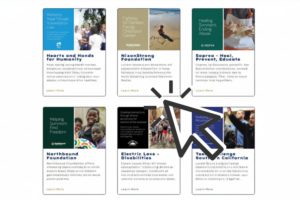
Unmasking the Challenges in Charity Trust
Navigating the world of charities often feels like stepping into a maze of uncertainties. Many potential donors are wary due to recurring issues such as opaque financial practices and misallocated funds. This concern not only dampens the enthusiasm to contribute but also compromises the vital connection between donors and worthy causes. In many U.S. communities—from local hubs in Eagle Mountain, UT to broader regions across the Southwest—distrust escalates when clear, accessible information is lacking.
In this section, we’ll explore these hurdles and offer clarity on why transparency is essential. You’ll uncover:
- The importance of scrutinizing financial reports and donation channels
- How inefficient fund management can adversely impact charitable outcomes
- Practical measures to verify credibility and accountability
By addressing these issues head-on, readers will gain actionable insights on identifying genuinely reliable charities. As we progress, we’ll outline effective strategies, including step-by-step approaches to assess charity operations and actionable tips to make informed decisions. Deepening your understanding in this area empowers you to contribute meaningfully while avoiding common pitfalls.
Top 5 Charitable Scandals That Eroded Public Confidence
In our exploration of why donor trust can falter, it’s crucial to understand the common pitfalls that have rocked several well-known charities. Below are five eye-opening cases that reveal how seemingly reputable organizations have veered off course, impacting fundraising efforts and community trust.
- Misallocation of Donations: Some charities have faced backlash when donor contributions were funneled into administrative or non-essential expenses rather than the intended causes. This misuse of funds not only disappoints supporters but also creates ripples of skepticism in local communities, including regions like Eagle Mountain.
- Opaque Financial Practices: A lack of clear financial reporting has been at the heart of numerous scandals. Donors often feel misled when charities fail to provide transparent breakdowns of expenses, leading to questions about overall integrity.
- Conflicted Leadership: When board members or executives prioritize personal gain over the mission, it can result in conflicts that divert focus from charitable goals. This loss of ethical leadership damages the trust that is vital to community fundraising.
- Shoddy Impact Measurement: In some cases, charities have exaggerated their success stories without reliable metrics, leaving donors uncertain about the real-world benefits of their contributions.
- Marketing Misconduct: Overstated claims and misleading promotional tactics have led to legal scrutiny and diminished donor enthusiasm, emphasizing the need for honest communication in fundraising campaigns.
Transparent Leadership: Building Community Confidence
In today’s charitable landscape, transparent operations and accountability are the cornerstones that set organizations apart. Open financial reporting, ethical decision-making, and clear communication build a foundation of trust that empowers donors and community members alike. By providing detailed insights into how funds are allocated, organizations not only satisfy regulatory standards but also create a culture where donors feel engaged and valued.
Key practices include:
- Regular Financial Updates: Share periodic summaries outlining expenditures and project outcomes.
- Detailed Impact Reporting: Offer clear narratives that connect donations to tangible community improvements.
- Open Dialogue: Maintain accessibility through community meetings and digital forums, fostering a space where feedback is welcomed.
These practices are particularly effective in local communities, like those in Eagle Mountain, UT, where close-knit networks expect honest interactions. When charitable organizations embrace transparency, they inevitably drive more informed giving decisions. This proactive approach enables the public to confidently support causes aligned with their values, nurturing long-lasting partnerships between donors and organizations. By prioritizing transparency and accountability, the sector as a whole can cultivate an environment that encourages continuous learning and sustainable impact.
Pioneering a Revolution in Transparency
In a world where concerns about fund mismanagement have undermined donor confidence, an innovative initiative is emerging to radically reshape charitable giving and rebuild trust. This new approach combines rigorous accountability with community-driven oversight to ensure that every donation directly creates positive change.
By integrating advanced digital tracking systems and real-time reporting, local communities, including those in Eagle Mountain, can now monitor exactly how each contribution is making a difference. This initiative is designed to disrupt outdated practices and instill a renewed sense of confidence in charitable expenditures by emphasizing:
- Robust Reporting Systems: Real-time updates that let donors see exactly where funds are allocated.
- Community Involvement: Opportunities for local residents to participate in oversight and decision-making.
- Innovative Digital Solutions: Tools that simplify tracking, verification, and overall transparency.
The result is a framework that not only challenges the status quo but also provides actionable, understandable guidelines for organizations aiming to improve donor relations. Embracing such transformative practices can empower local charities and create a more transparent environment for philanthropic efforts, ultimately reinforcing a culture of trust and accountability in the charitable sector.
What Key Indicators Signal a Trustworthy Charity?
Look for clear statements of purpose paired with transparent financial reporting. Credible charities often provide annual reports, audited financials, and detailed descriptions of how funds are used. This openness builds donor confidence by confirming accountability.
How Can I Verify Financial Transparency?
A strong charity shows detailed breakdowns of income, expenses, and program allocation. Seek organizations that actively share financial statements and budget reports, ensuring that a significant percentage of donations supports actual initiatives rather than administrative overhead.
What Role Does Local Accountability Play?
Local oversight is essential. When charities engage with local communities—such as in areas around Eagle Mountain, UT—they often include community boards or regional leaders who monitor projects. This proximity provides additional reassurance regarding credibility.
How Can I Evaluate a Charity’s Impact?
Reviewing progress reports and donor testimonials can help gauge success in meeting goals. Practical evidence, like measurable outcomes from community projects, is a good indicator that funds are making a tangible difference.
What Should I Ask When Researching Leadership?
Inquire into the experience and background of the charity’s leadership. Transparent and accessible leaders who engage with their stakeholders reinforce both accountability and credibility in their charitable endeavors.
Championing Transparency for Lasting Impact
As we wrap up this discussion on engaging with trustworthy charitable organizations, it’s clear that transparency and effective communication are vital for fostering lasting community impact. By ensuring that every donation is managed openly and every campaign is accountable, communities become empowered to drive real change. In today’s environment, where accountability is more important than ever, adopting transparent charity practices is not just beneficial—it’s essential.
Key takeaways to move forward include:
- Review Your Impact: Regularly assess donation usage and campaign progress.
- Engage Locally: Leverage community resources in areas like Eagle Mountain, UT to ensure efforts directly benefit local causes.
- Foster Open Communication: Advocate for clear reporting from charitable organizations, empowering donors through honest updates.
- Support Community Leaders: Work with influential figures to maintain visibility and trust across all fundraising initiatives.
Implementing these actionable steps can help your community build more reliable and impactful fundraising models. Take this as an invitation to participate in a movement where accountability meets compassionate leadership—empowering local efforts and ensuring your contributions create a ripple effect of positive change. Embrace this momentum and champion transparency for a better, more united tomorrow.